Vitamin Injections
Wellness at Forever Facial Aesthetics
Vitamin Therapy for Wellness
Why Do We Need Vitamins?
We naturally source crucial vitamins, including vitamins A, B, C, E and K from fruit, vegetables, and animal products in our diet; although others, like vitamin D, are sourced more readily through sun exposure. These vitamins represent essential micronutrients that the body cannot produce in sufficient quantities on its own, but they are required to assist the function of core bodily processes.
Read more Show less
Vitamins help our bodies with lots of different things; they regulate metabolism, support energy production, assist with immune function, neurological signalling between the brain and nerves, and bone and tissue repair. Without adequate levels of core vitamins, such as B12, C and D, these internal systems become inefficient or begin to fail, leading to overt symptoms that can make us feel unwell, cause chronic conditions, or affect our general day-to-day well-being and alertness. If you have low levels and are deficient in core vitamins, you may have an underlying condition that stops you from processing vitamin sourcing correctly, and you may benefit from vitamin injections as supplementation.
Vitamin Deficiency Explained
Some vitamins are fat-soluble (A, D, E, and K) and can be stored, ready for use, by the body in the liver and body fat; others are water-soluble (C and various B vitamins), which cannot be stored, so must be regularly consumed through diet or supplementation to maintain adequate levels. Vitamin deficiency occurs because the body's intake (through food), absorption (via the gut), or utilisation of a vitamin falls below what is required to maintain normal health.
Read more Show less
Causes can vary, but may include malabsorption conditions like pernicious anaemia, which affects B12 levels, poor intake through diet, including a lack of animal products in vegan and vegetarian diets, 'picky eaters' or restrictive diets that discount vital natural food sources, and eating disorders; other chronic illnesses, certain medications, and age-related changes. Awareness of a deficiency can develop gradually and often presents with non-specific symptoms, easily dismissed because they are very similar to the symptoms we expect from living very busy, stressful lives, including fatigue, poor immunity, brain fog, etc. Over time, symptoms may become more profound and life-consuming and can lead to chronic conditions.
What Are Vitamin Injections?
With a confirmed diagnosis of vitamin deficiency, our medical doctor can deliver a precise, therapeutic, supplementary dose directly into the bloodstream via an injection into your arm muscle, thus bypassing the digestive system. Where vitamin levels are significantly depleted or oral supplementation is ineffective due to gut malabsorption, vitamin injections provide a controlled method of correction and can prevent longer-term health complications.
Read more Show less
At Forever Facial Aesthetics in Ashtead, Surrey, we undertake medically-led consultations to assess your symptoms, medical history, lifestyle markers, and diagnostic blood results and will discuss if vitamin injections are the right choice for you. Vitamin injections are a prescribed medication, and you may or may not be suitable for treatment depending on the outcome of a consultation. Treatments are available to address a diagnosis of Vitamin B12 deficiency.

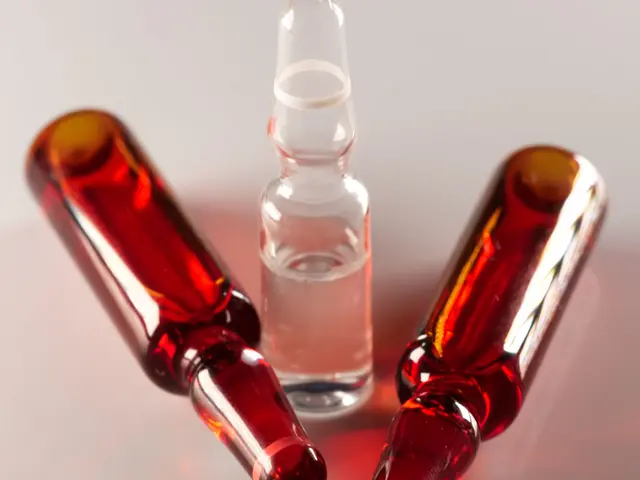
Areas of Treatment
Our team of medical professionals is experienced in delivering wellness supplementation to support better health. Vitamin injections may be prescribed by our medical doctor, as part of a consultation to discuss your symptoms, medical history, and lifestyle considerations, which may indicate an underlying deficiency; for example, vitamin B12 deficiency or pernicious anaemia.
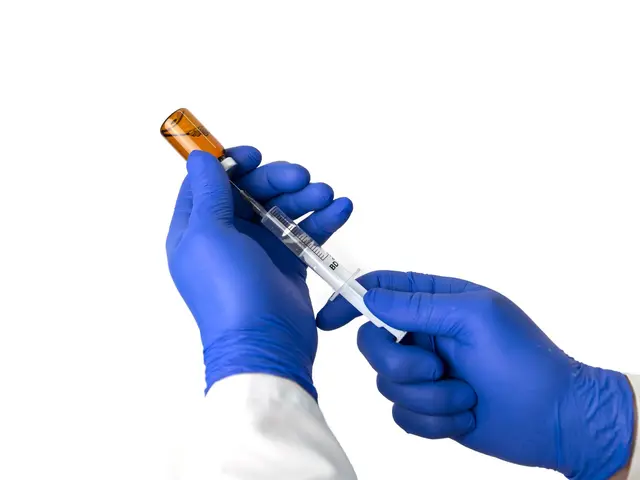
Expert Care
Wellness goes hand in hand with cosmetic medical treatments at Forever Facial Aesthetics; your overall health is a priority, alongside your appearance and skin health. You are in safe hands, because patient safety and personalised care are our priority. As a Care Quality Commission (CQC) regulated clinic, we are registered to deliver vitamin supplementation injections to treat vitamin deficiencies and disorders.

Natural Results
If you are naturally deficient in certain vitamins due to an underlying chronic condition, medication, dietary restrictions, or age, you may be unable to source vital vitamins naturally from your food, which can lead to several symptoms. Restoring adequate levels through vitamin injection supplementation can significantly improve symptoms and general health and wellness markers.

Tailored Treatments
Vitamin injection therapy is tailored to treat underlying deficiencies. Assessing symptoms and blood test results allows us to favourably assess which treatment options, including prescribed vitamin injections and lifestyle changes, will help to alleviate symptoms and restore wellness.
Answers to Your Questions, All in One Place.

Vitamin B12 helps our bodies produce healthy red blood cells that carry oxygenated blood around the body, and it ensures our central nervous system functions correctly, developing brain and nerve cells. A lack of B12 can result in low levels of circulating red blood cells or malformed, abnormally large cells that do not function correctly and cannot effectively circulate oxygenated blood around, leading to nerve damage.
Vitamin B12 is ingested mostly through eating animal-derived products, including red meat, offal, poultry, oily fish (e.g., salmon, tuna, and mackerel), shellfish, eggs, and dairy products. As an aid for vegetarian and vegan diets, B12 is often added by manufacturers to fortify cereals, bread, and plant-based milks. You can also find it in yeast-based spreads like Marmite.
Pernicious anaemia is a chronic condition caused by a dysregulation in the immune system, which prevents your stomach and gut from absorbing the vitamin B12 that you ingest with your food. It is the most common cause of vitamin B12 deficiency, but many people remain undiagnosed, despite having symptoms. Diagnosis is determined by blood testing.
Vitamin injections provide supplementation when you are not getting enough vitamins naturally from the food you ingest and are especially useful for people who struggle to absorb vitamins effectively through their gut, rendering them deficient.
Some people become naturally deficient in certain vitamins due to underlying medical conditions, like pernicious anaemia, Crohn’s or Celiac disease, certain medications, or post-weight-loss surgery, and others may have transiently low vitamin levels due to diet (including vegan, vegetarian, poor or restrictive diets), disordered eating, age (malabsorption is more common as you get older), or lifestyle factors.
To determine your suitability for vitamin injections, we will need to discuss your medical history, your lifestyle factors, including diet, any blood test results or NHS documentation that demonstrates a pre-existing deficiency or underlying condition, alongside outlining any symptoms which may indicate an undiagnosed deficiency.
Vitamin B12 is defined by four different types: methylcobalamin, adenosylcobalamin, cyanocobalamin, and hydroxocobalamin.
Methylcobalamin and adenosylcobalamin are found naturally in the food types previously mentioned and work together when absorbed in the gut to provide the necessary vitamin B12 for a healthy person.
There are only two types of prescription-only vitamin B12 medicines recommended by health authorities in the UK for treating Vitamin B12 deficiency. These are cyanocobalamin and hydroxocobalamin.
The body naturally converts cyanocobalamin to methylcobalamin and adenosylcobalamin so that it can be used in the same way as that ingested from food. If you look for vitamin B12 tablets in health food stores, or B12 added to fortify breads and cereals, it is usually cyanocobalamin because it is the cheapest form of vitamin B12. Similarly, as a prescription injection, it is the most cost-effective but requires a more regular injection schedule (once per month), which makes it inconvenient for most people.
At Forever Facial Aesthetics, we will discuss the best supplementation option for you during a thorough medical consultation, and we may recommend treatment with prescription hydroxocobalamin. Hydroxocobalamin is produced naturally by our gut bacteria when we digest food, making the synthetic version more easily absorbed and used by the body, and the most routinely recommended by healthcare professionals. It also stays in the body longer, only requiring repeat injection every three months.
If you have a diagnosed vitamin deficiency or transient low levels for other reasons, vitamin injections will supplement what you are not getting from your diet or are unable to absorb.
Restorative injections of vitamin B12, for example, can boost energy, mood and motivation, alleviate fatigue and lethargy, and improve overall wellness by addressing chronic symptoms. Those with a diagnosed vitamin B12 deficiency, such as pernicious anaemia, can benefit the most from regular vitamin injection therapy because the vitamin is delivered directly into the bloodstream and bypasses malabsorption in the gut.
Vitamin therapy injections are delivered intramuscularly. This is the type of injection that you may already be used to if you have experienced any vaccinations. You may or may not feel the delivery; most people find it has little to no pain, with perhaps just the sensation of a short, sharp scratch.
There is no risk of overdose with vitamin B12 injections, and they are unlikely to cause you harm. If, after treatment, you have excess B12 in your system, you may experience short-lived symptoms of tiredness, headaches, dizziness, or nausea, whilst your body metabolises it through your kidneys and excretes it through urine. This may also turn your urine pink.
If you have a vitamin deficiency and associated symptoms, you should start to notice improvements within a few days of the injections, with the alleviation of symptoms and improvements in your overall wellness, sense of well-being, and energy.
Depending on the specific vitamin supplementation regimen and deficiency, most vitamin therapy programmes require repeat injections every three months to maintain adequate levels and improve health-related symptoms. Our wellness specialist medical doctor will discuss the most appropriate schedule for you, depending on your symptoms and diagnosed deficiency.
Take The Next Step
At Forever Facial Aesthetics, our goal is to help you look and feel your best. Contact us today to schedule your consultation and embark on your journey to a more youthful appearance.


Begin the dialogue
Our professional team is at your disposal to schedule a private consultation. Every enquiry is handled with the utmost discretion.