Chemical Skin Peels
pHformula Skin Resurfacing at Forever Facial Aesthetics
Chemical Skin Peels & Skin Resurfacing
What are chemical skin peels?
Skin peels tend to have many other names, including chemical peels, chemexfoliation and skin resurfacing treatments.
Read more Show less
Treatment involves the application of specialist, acid-based solutions of differing strengths to the surface of the skin. The ingredients used vary but can include alpha-hydroxy acids (AHAs) and beta-hydroxy acids (BHAs) like glycolic, lactic, salicylic, mandelic, and pyruvic acids. In pHformula products, these are paired with other ingredients to optimise delivery and action when applied, so that many of the peels do not need neutralising or washing off and can be left on the skin to do their magic. Stronger, deeper peel solutions use trichloroacetic acid or TCA.
How do skin resurfacing treatments work?
Clinical-grade skin resurfacing treatments are designed to stimulate cellular regeneration and improve skin function without aggressive skin peeling.
Read more Show less
Using advanced, controlled chemical skin resurfacing formulations from pHformula, treatment is tailored to individual skin concerns and tolerance, delivering visible improvements in tone, texture, clarity, and firmness with minimal downtime. One of the key advantages of these skin resurfacing solutions is the ability to customise the treatment strength, from mild to deep, as required to achieve the best results.
Our Preferred Chemical Skin Peels: pHformula
All our chemical skin peel treatments are based on medical-grade pHformula skin resurfacing solutions.
Read more Show less
Specialist peel treatment programmes include:
- Skin Reset Peel
- Resurface & Renew Peel
- TCA Touch
- MesoResurfacing (pregnancy safe)
These chemical skin peels are an ideal stand-alone treatment but are more optimised as a treatment programme. They can be combined with other aesthetic treatments or used as part of our combination skin treatments. Specialist pHformula solutions include:
- A.G.E. for ageing, fine lines, and wrinkles
- A.C. for acne
- M.E.L.A. for pigmentation
- C.R. for chronic redness and rosacea
- TCA Touch™ for the ultimate skin transformation

Areas of Treatment
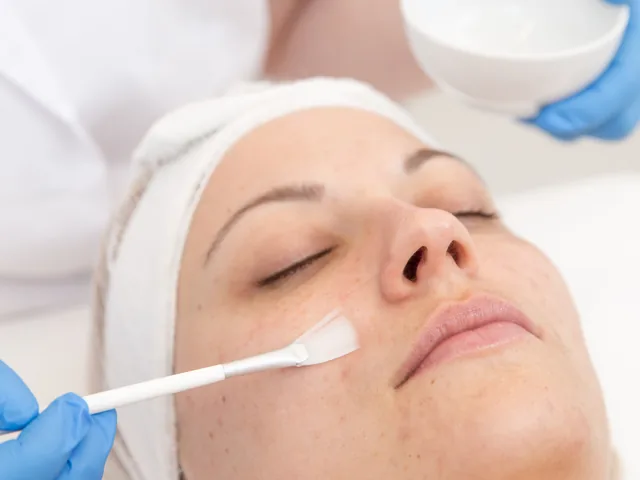
Chemical skin peel treatment with pHformula skin resurfacing treatments can target ageing and fine lines, acne and acne scarring, photo-damage, pigmentation and uneven skin tone, post-inflammatory hyperpigmentation, rosacea, chronic redness and sensitive skin, and dull, dehydrated skin.

Expert Care
Your treatment will be under the care of our expertly trained, skin specialist medical aestheticians. They have years of experience in identifying and treating problematic skin, choosing the right combinations of active ingredients, and treatment regimens to repair and renew skin affected by common concerns. We can even offer specialist, pregnancy-safe solutions.
Natural Results
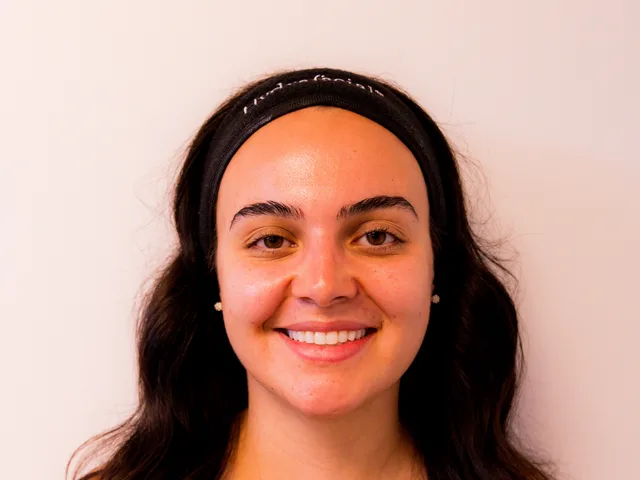
At Forever Facial Aesthetics in Ashtead, Surrey, we want to help you and your skin be the best it can be by correcting visible concerns, addressing problematic skin, and treating underlying causes. With repeated and regular skin resurfacing treatments, we can achieve results-driven improvements to skin to give you the best natural outcomes.
Tailored Treatments
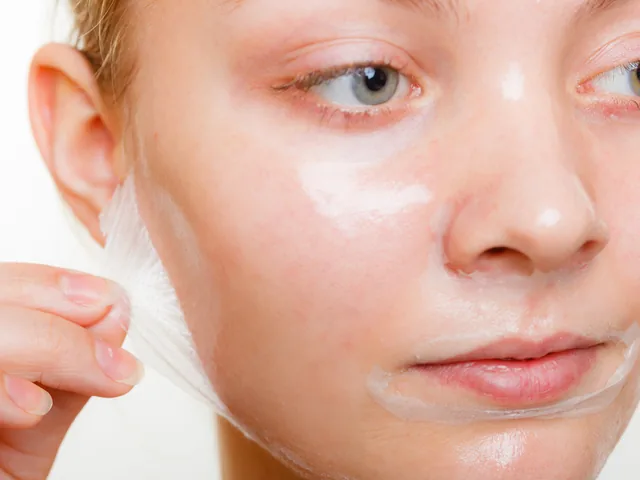
Everyone’s skin is different, so you will always undergo a thorough consultation and skin analysis with our specialist medical aesthetician to decide on the best skin resurfacing peel treatment for you. Diagnostic imaging means we can delve beneath the surface of your skin to determine which protocol will be the most effective for you. Tailored to treat ageing, pigmentation, acne, redness and rosacea, or for full facial rejuvenation.
Answers to Your Questions, All in One Place.
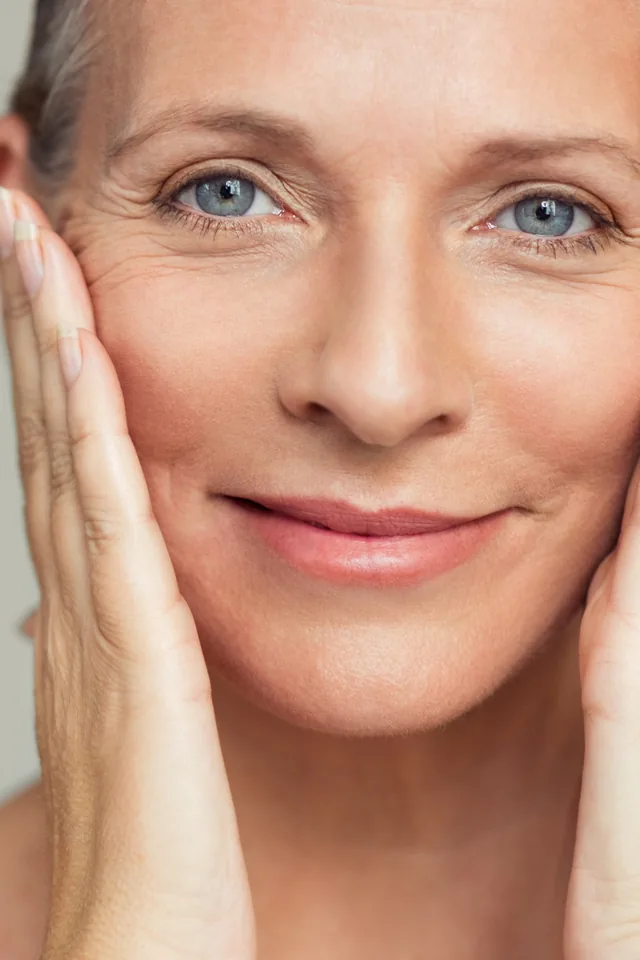
pHformula skin resurfacing treatments are professional chemical skin peel treatments designed to improve concerns such as acne, pigmentation, fine lines, rosacea, uneven texture and sun damage. Unlike traditional chemical peels that mainly exfoliate the top layer of skin, pHformula uses a controlled skin resurfacing system that aims to trigger skin regeneration with less visible peeling and downtime.
The treatments combine active acids with delivery technologies to penetrate the skin in a more targeted way. Different formulations are used depending on the skin concern being treated.
Most people need a course of treatments to achieve the best results.
pHformula skin resurfacing solutions are used in layers and left on the skin to achieve different depths of penetration for optimised cellular change and skin regeneration. There is no requirement to wash them off or apply a neutralising solution, as with some chemical peel treatments.
They are gentler and protect the integrity of the skin barrier.
Your skin resurfacing treatment will be customised to your skin needs and concerns, and will use appropriate pHformula solutions which include:
- A.G.E. Solutions to treat signs of ageing
- M.E.L.A. Solutions to target pigmentation, including melasma
- C.R. Solutions for chronic redness and rosacea
- A.C. Solutions to treat acne and acne scarring
- TCA Touch™ for ultimate skin transformation and regeneration
Our highly specialist and experienced medical aestheticians deliver skin resurfacing treatments. They will undertake a full skin consultation using diagnostic imaging to determine the best chemical skin peel programme for you.
Your suitability for skin resurfacing treatment will be established during a thorough skin consultation, including diagnostic imaging with the Observ Skin Analysis System. Treatment is usually well-suited to otherwise healthy individuals, but there are some reasons why you may be contraindicated for treatment.
If you have an active skin infection in the area to be treated, e.g. herpes simplex (cold sores) or inflammation from active acne. These will need to be managed and treated before you are suitable for chemical skin peels. Similarly, if you have open wounds or a compromised skin barrier, this will need to heal. If you have eczema or dermatitis, you will not be suitable for deeper peels like TCA.
If you have a history of post-inflammatory hyperpigmentation, this will be assessed to determine your risk from treatment and may or may not contraindicate you for certain skin peeling agents.
If you are pregnant or breastfeeding, you will not be able to undergo skin surfacing treatments using skin peeling agents. However, we can offer a pregnancy-safe option with the MesoResurfacing treatment.
If you have recently had other facial aesthetic treatments, including microneedling, skin peels, exfoliation (hydradermabrasion/microdermabrasion), lasers or light, or beauty treatments, such as waxing, you will be required to wait 7–14 days before you can start a skin resurfacing treatment programme.
We also ask you to discontinue the use of active ingredients such as retinol or other acids for 3–5 days before you begin a programme (including skin preparation).
Any side effects that you may experience after treatment, or any potential risks associated with treatment, are linked to the type of skin peel and the depth of penetration.
Skin Reset Peel: This is a mild peel, but potential risks include temporary redness or skin sensitivity, or mild irritation, particularly if you do not follow appropriate aftercare advice. There is a very low risk of post-inflammatory hyperpigmentation compared to deeper peels.
Resurface & Renew Peel: This is a medium-depth peel; potential risks include irritation or prolonged erythema (redness), sensitivity or damage to the skin barrier, over-exfoliation, and post-inflammatory hyperpigmentation.
TCA Peel: Potential risks from a TCA peel include prolonged erythema (redness) and post-inflammatory hyperpigmentation, especially in darker skin types (Fitzpatrick type IV–VI). The risk of chemical burns is rare, and infection can be avoided if aftercare is followed.
The pHformula skin resurfacing treatments generally have minimal downtime, but this varies, and is dependent on the type of skin peeling solutions used, their strength and the depth of treatment.
With mild peels, you can expect skin to feel tight and warm, with mild redness for the first 24 hours. During the next couple of days, there may be light flaking, although it might not be obvious.
With medium- and deeper-strength peels, you can expect skin to feel tight and warm, with obvious redness for the first 24–48 hours. During the next couple of days, there will be visible skin flaking or peeling, and the skin may appear dry and textured.
You will be given aftercare advice and post-treatment products to use. It is important to follow the protocol to achieve the best skin healing.
This includes using gentle cleansing products only (often after 24 hours without washing your face), applying hydrating moisturisers or a post-recovery cream, and daily SPF 50 sun protection.
To avoid infection, scarring, and post-inflammatory hyperpigmentation, you must follow the aftercare advice.
This includes avoiding sun exposure and sunbeds for up to 2 weeks, avoiding getting very hot and using saunas or steam rooms, or doing strenuous exercise for 24–72 hours, depending on the strength of the skin peel treatment. You should not use any skincare products with active ingredients, like retinol or other acids (AHAs/BHAs), for 5–7 days after your peel treatment.
And, most importantly, do not be tempted to pick or manually peel any flaking skin or use exfoliants.
Recovery is generally quicker with pHformula skin resurfacing, with less downtime than many chemical peel solutions, especially deeper protocols.
Most people notice an improvement in skin texture and brightness within a few days to a week of their first treatment session. A course of treatments is recommended. This will deliver gradual, incremental improvements, especially for pigmentation, acne-prone skin, and fine lines and wrinkles. For deeper peels, acting on collagen stimulation, results may continue to develop up to 6 months after completion of the skin resurfacing course.
Results can be long-lasting with continued good habits for skincare routines, sun protection, and sun avoidance. Although ageing, hormones, and underlying health conditions will continue to factor into skin ageing and skin concerns. We recommend regular top-up treatments with skin resurfacing agents to maintain your results and manage underlying problematic skin.
Take The Next Step
At Forever Facial Aesthetics, our goal is to help you look and feel your best. Contact us today to schedule your consultation and embark on your journey to a more youthful appearance.


Begin the dialogue
Our professional team is at your disposal to schedule a private consultation. Every enquiry is handled with the utmost discretion.